Every solar decision you make — system size, battery capacity, inverter rating — depends on one number most buyers never calculate themselves: how much power you actually use, and when. Skip this step, or let an installer skip it for you, and every decision after it is built on a guess.
Why Installers Skip This Step
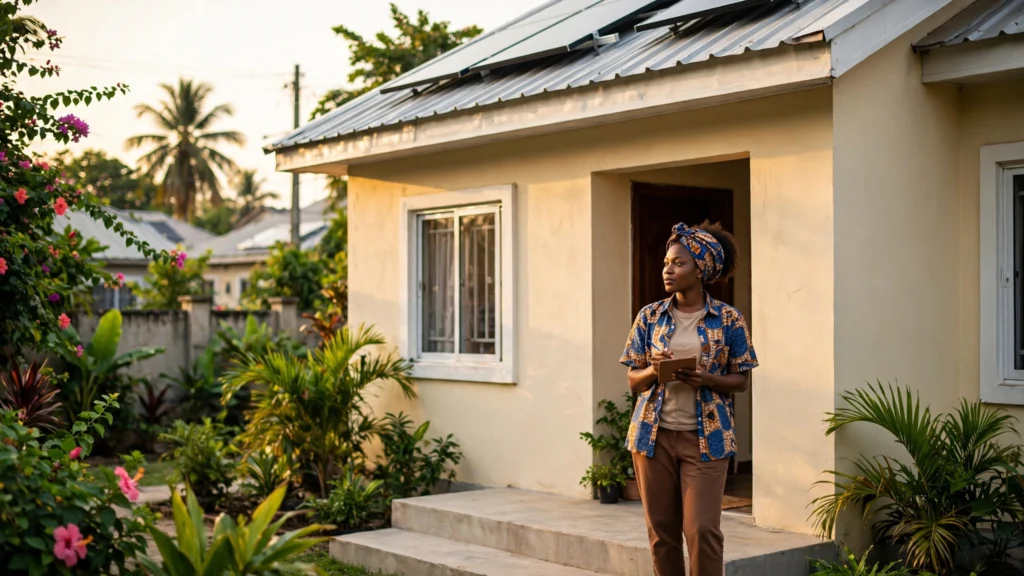
A proper load calculation takes time: walking through every appliance you intend to run, its wattage, and how many hours a day it actually operates. Many installers skip it entirely and simply ask what size inverter you want, which hands the sizing decision to a buyer who does not yet have the information to make it well.
This is how systems end up mismatched in both directions. Sometimes too small to handle real usage. Sometimes needlessly expensive for a load that never required it. A buyer who has not done this calculation has no way to challenge an installer’s recommendation, whichever direction it is wrong in.
Step 1: List Every Appliance, Its Wattage, and Hours of Use
For each appliance you want your solar system to power, note its wattage (printed on the appliance nameplate or manual) and how many hours a day you realistically run it. Multiply wattage by hours to get watt-hours per day for that item.
Common Nigerian Household and Business Appliance Wattage Reference
| Appliance | Typical wattage | Notes |
|---|---|---|
| LED bulb | 7–10W | |
| Ceiling fan | 50–75W | |
| Standing fan | 45–70W | |
| Refrigerator (mid-size) | 100–200W | Runs cyclically, not continuously; average this over 24 hours |
| Chest freezer | 150–250W | Same cyclical pattern as fridge |
| Flat-screen TV | 60–120W | Depends on screen size |
| Laptop charger | 45–65W | |
| Phone charger | 5–10W | |
| Wi-Fi router | 10–20W | |
| Microwave | 800–1200W | Short duration use |
| Electric iron | 1000–1800W | Short duration, high wattage |
| Washing machine | 300–500W running | Surge current on motor start, see Step 3 |
| Water pump (0.5HP) | 370–550W running | Significant surge on start |
| 1HP air conditioner | 750–900W running | Higher surge on compressor start |
| 1.5HP air conditioner | 1100–1500W running | Higher surge on compressor start |
Wattage varies by brand and model. Use the figure printed on your specific appliance where possible — this table is a starting reference, not a substitute for checking your own equipment.
Prefer to Calculate Offline?
Download the Excel worksheet — same logic, works without internet. Fill the yellow cells, everything else calculates automatically.
Step 2: A Full Worked Example
Household load, listed out:
- 5 LED bulbs at 9W, 6 hours nightly = 270 Wh
- 3 ceiling fans at 60W, 10 hours = 1,800 Wh
- 1 refrigerator averaging 100W, running continuously (24hrs, cyclical average) = 2,400 Wh
- 1 television at 60W, 5 hours = 300 Wh
- Phone charging and miscellaneous loads = 200 Wh
Total daily load = 4,970 watt-hours, roughly 5 kilowatt-hours (kWh) per day.
This total tells you what your panels need to generate on an average day, and what your battery needs to be able to store and release. It does not tell you your peak load — a separate and equally important number covered next.
Step 3: Peak Load — The Number That Sizes Your Inverter
Peak load is the maximum power your system might need to deliver at any single moment, when several appliances run simultaneously. This is what determines your inverter size, not your daily total.
Motor-driven appliances complicate this. A refrigerator, water pump, or washing machine draws several times its running wattage for a brief moment at startup, called inrush or surge current. An inverter sized only for running wattage will trip the instant that motor starts.
Rough surge multipliers for common motor-driven appliances:
| Appliance | Running wattage | Typical surge (startup) |
|---|---|---|
| Refrigerator/freezer | 100–250W | 3–5x running wattage briefly |
| Water pump | 370–550W | 3–6x running wattage briefly |
| Washing machine | 300–500W | 2–4x running wattage briefly |
| Air conditioner (compressor) | 750–1500W | 3–5x running wattage briefly |
Worked peak load example: if your fridge (150W running, surge to roughly 600W) starts at the same moment your washing machine (400W running, surge to roughly 1,200W) is already running, your inverter needs to handle the washing machine’s steady 400W, plus the fridge’s momentary 600W surge, plus whatever else is already drawing power at that instant. A good load calculation accounts for the highest realistic combination of simultaneous loads, including startup surges, not just the sum of everything you own running at once.
Your daily total sizes your battery and panels. Your peak load, including startup surges, sizes your inverter. Confusing the two is one of the most common sizing mistakes in this market.
What Size System Do You Need? Quick Reference
| Daily load | Peak load | Recommended system | Typical cost (mid-2026) |
|---|---|---|---|
| 1–2 kWh | 500–800W | 1.5KVA with 2–3 panels | ₦650,000–₦900,000 |
| 3–5 kWh | 1,000–1,500W | 3KVA hybrid with 4–6 panels | ₦1,200,000–₦1,800,000 |
| 5–7 kWh | 1,500–2,500W | 5KVA hybrid with 6–8 panels | ₦2,000,000–₦2,800,000 |
| 8–12 kWh | 3,000–5,000W | 8–10KVA with 10–14 panels | ₦4,500,000–₦7,000,000 |
| 15+ kWh | 5,000W+ | 10KVA+ commercial | ₦8,000,000+ |
Important: These are starting points, not substitutes for a proper load calculation. Always run your own numbers or insist your installer does.
Prefer to Calculate Offline?
Download the Excel worksheet — same logic, works without internet. Fill the yellow cells, everything else calculates automatically.
How to Shrink Your Load Before You Size a System
The cheapest solar system is the one you do not need because you reduced your load first:
- Swap bulbs: A 9W LED replaces a 60W incandescent. That is 51W saved per bulb.
- Choose inverter fridges: They use 30–50% less power than conventional fridges.
- Use standing fans instead of AC: A 60W fan vs a 1,200W AC is a 95% reduction.
- Run heavy loads during sun hours: Ironing, washing machine, and water pumping during 10am–2pm means your panels carry the load directly, reducing battery strain.
- Eliminate phantom loads: TVs, decoders, and chargers left plugged in draw power 24/7. Use switchable sockets.
Real example: A household that swaps 10 bulbs to LED, replaces one old fridge, and eliminates phantom loads can drop from a 5KVA system to a 3KVA system — saving roughly ₦800,000–₦1,000,000 upfront.
How Installers Exploit a Skipped Calculation
An installer who wants to sell a bigger, more expensive system can inflate the load estimate without a buyer having a number to check it against. One who wants to win the job on a lower headline price can undersize the system and let the buyer discover the shortfall only after installation, when there is no easy way back.
Doing this calculation yourself, even roughly, before any quote is prepared, is the clearest protection against both outcomes. It is also the fastest way to spot whether an installer’s proposed system size actually matches what you told them you needed.
For the full protection framework — including how to spot fake batteries, hidden markups, and wrong-sized systems — see Power Without the Panic.
Common Mistakes to Avoid
- Using nameplate wattage for a fridge as its constant draw. Fridges cycle on and off. Average the running time over 24 hours rather than assuming it draws its full wattage continuously.
- Ignoring startup surge entirely. This is the single most common cause of an inverter that “should” handle the load on paper but keeps tripping in practice.
- Sizing for every appliance you own, running at once. Realistically, you rarely run everything simultaneously. Size for your highest realistic combination, not a worst-case scenario nobody actually hits.
- Forgetting seasonal or occasional loads. An air conditioner used only a few months a year still needs to be part of your peak load calculation for the months you do use it.
Our Verdict
Do this calculation yourself, even roughly, before you request a single quote. It is the one number every other solar decision in this cluster depends on, and it is the clearest protection against both an inflated system and an undersized one.
Best for: anyone about to request a solar quote — do this before the first phone call, not after.
Know Your Load Before You Buy
Once you have your numbers, use our installer vetting checklist to make sure the quotes you receive actually match what you need.
Get the Vetting Checklist →
FAQ
How do I calculate my solar power needs in Nigeria?
List every appliance you want to run, multiply its wattage by daily hours of use, and add them together for your daily watt-hour total. Separately, calculate your peak load — the highest realistic combination of appliances running at once including motor startup surges — since this determines your inverter size.
What is the difference between daily load and peak load?
Daily load is your total watt-hour usage over 24 hours, and it sizes your battery and solar panels. Peak load is the maximum power drawn at any single moment, including startup surges from motors, and it sizes your inverter. They are different numbers used for different components.
Why does my fridge need special consideration in a load calculation?
Fridges and freezers cycle on and off rather than running continuously, so use an averaged wattage over 24 hours for your daily total. They also draw a brief surge at startup — several times their running wattage — which matters for your peak load and inverter sizing.
Can I calculate my solar load without an installer?
Yes, and doing so before requesting a quote is the clearest protection against both an oversized, unnecessarily expensive system and an undersized one that fails to handle your real usage.
What happens if my inverter is not sized for surge current?
It will trip the moment a motor-driven appliance like a fridge, pump, or AC compressor starts, even if the inverter’s rating looks sufficient for the running wattage alone.
Can I just use a 5KVA inverter because my neighbour has one?
No. Your neighbour might run two fans and a TV; you might run a fridge, freezer, and AC. System size depends on your specific appliances and usage hours, not your house size or what works for someone else.